

The Myth of the Gym-Bound Life
If you browse modern fitness media or scroll through athletic influencer feeds, you are immediately bombarded with an intimidating, narrow definition of what it means to be fit.
You see images of shredded athletes spending two hours every afternoon lifting massive iron barbells in dark industrial warehouses. You hear fitness coaches shouting about ‘No Days Off,’ sixty-minute high-intensity interval bootcamps, restrictive meal prep Tupperware containers, and expensive boutique gym memberships that cost two hundred dollars every month.
For competitive bodybuilders and Olympic athletes, that level of intense dedication makes sense.
However, for everyday working adults, parents, entrepreneurs, and busy professionals, the idea that fitness requires living at a commercial gym is one of the most destructive misconceptions in modern wellness.
When people believe that fitness requires an all-or-nothing ninety-minute daily commitment, they inevitably conclude that they simply do not have the time. Life gets busy, work deadlines run late, children need dinner, and the gym membership card sits forgotten in a wallet, gathering dust while feelings of guilt and physical fatigue quietly mount.
Here is the liberating physiological reality that exercise scientists understand:
Your human body does not know what a gym is.
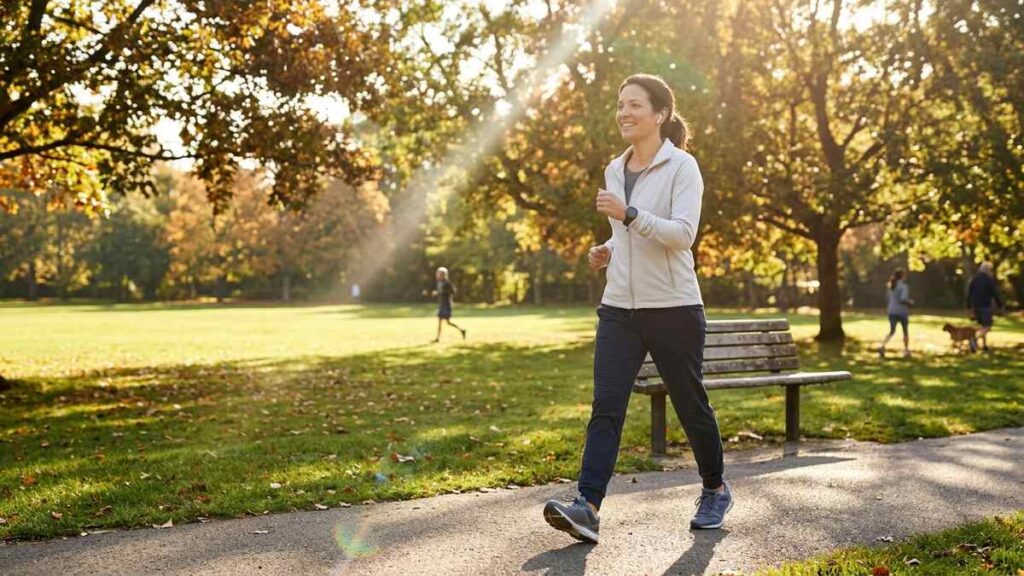
Your heart, lungs, skeletal muscles, and joints do not care whether you are lifting an expensive polished chrome dumbbell or lifting a heavy bag of garden soil. Your metabolism does not care whether you are running on an electric treadmill in a noisy room or walking briskly up a sunlit neighborhood hill with your family dog.
Your body simply responds to physical movement, mechanical load, and cardiovascular demand.
In this comprehensive instructional fitness guide, we will unpack twenty-five simple, enjoyable, and battle-tested ways to build physical strength, cardiovascular endurance, joint mobility, and lifelong vitality without ever stepping foot inside a commercial gym.
Foundation Habits: Maximizing NEAT (Non-Exercise Activity Thermogenesis)
The single greatest secret of effortlessly fit people is not their thirty-minute workout: it is their daily Non-Exercise Activity Thermogenesis (NEAT). NEAT represents the calories and metabolic energy expended through all physical movement outside of formal sports or sleep.
- The Post-Meal 10-Minute Stroll: After eating lunch or dinner, take a gentle ten-minute walk around your neighborhood or office parking lot. This simple habit improves digestion, blunts post-prandial blood sugar spikes by forty percent, and adds two thousand steps to your daily total effortlessly.
- The Two-Floor Stair Rule: Establish a non-negotiable personal rule: if your destination is within two floors up or three floors down, never take an elevator or escalator. Climbing stairs engages your quadriceps, glutes, and calves while providing a quick burst of cardiovascular stimulation.
- Stand Up During Phone Calls: Whenever you answer a phone call or attend an audio-only meeting, stand up and pace around your room. Pacing burns three times more calories than sitting and keeps your postural spinal muscles engaged.
- Park in the Furthest Parking Spot: When visiting the grocery store, pharmacy, or office, consciously park in the most distant row of the lot. Those extra ninety seconds of walking provide hundreds of low-impact cardiovascular steps every week.
- Sit on the Floor While Watching Television: Ditch the couch for thirty minutes in the evening and sit directly on a rug or yoga mat. Shifting between cross-legged sitting, kneeling, and hamstring stretches restores hip mobility and ankle flexibility that chairs destroy.
Daily Movement Snacks: Micro-Dosing Strength and Mobility
You do not need to do fifty continuous push-ups in a grueling set. Sprinkling tiny ‘Movement Snacks’ throughout your day builds muscle memory and joint strength with zero sweat or fatigue.
- The Kitchen Counter Incline Push-Up: While waiting for your morning coffee to brew or water to boil, place your hands on the edge of the kitchen counter and perform ten slow, controlled incline push-ups. Doing three rounds throughout the day delivers thirty push-ups without interrupting your schedule.
- The Doorframe Chest and Shoulder Opener: Every time you walk through your home office doorway, place your palms against the frame and step gently forward for ten seconds to open up tight pectoral muscles and reverse desk slouch.
- The Desk-Break Air Squat Routine: Set an hourly timer on your smartwatch. When it vibrates, stand up from your desk and perform eight smooth bodyweight squats, focusing on pushing your knees outward and keeping your chest tall.
- The One-Legged Toothbrushing Balance: When brushing your teeth in the morning and evening, stand on one foot for sixty seconds, then switch to the other foot. This simple exercise strengthens your ankle stabilizer muscles, reinforces foot arch tendons, and dramatically improves neurological balance.
- The Deep Asian Squat Rest: Practice dropping into a deep, flat-footed resting squat for sixty seconds while reading an email or waiting for a download. Deep squatting decompresses the lumbar spine, opens tight hips, and promotes healthy pelvic circulation.
Outdoor and Lifestyle Fitness Habits
Mother nature is the ultimate outdoor gym, offering fresh air, sunlight, and varied terrain that indoor treadmills can never replicate.
- Rucking with a Weighted Backpack: Rucking: walking with a weighted backpack: is the gold standard of low-impact functional fitness. Put ten to twenty pounds of books or water bottles in a sturdy backpack and walk through your neighborhood for thirty minutes. Rucking burns nearly as many calories as running while protecting your knees and building bulletproof upper back posture.
- Yard Work and Functional Gardening: Shoveling mulch, raking leaves, carrying bags of compost, pulling weeds, and pushing a lawnmower are incredible full-body workouts that build real-world functional strength and core endurance.
- The Weekend Nature Hike: Swap weekend brunch for an exploratory hike on a local state park trail. Walking over roots, rocks, and uneven dirt inclines activates small stabilizing muscles in your feet and core that paved sidewalks ignore.
- Commute by Bicycle for Short Errands: If you need to pick up three grocery items or return a book to the library less than two miles away, leave your car in the garage and ride a bicycle. Cycling provides low-impact cardiovascular conditioning that builds powerful legs.
- Play Actively with Children or Pets: Get down on the grass. Play tag, throw a frisbee, build obstacle courses, or wrestle with your kids. Active, unstructured play is deeply joyful and provides intense aerobic exercise without feeling like a chore.
Home Bodyweight Conditioning: The Minimalist Circuit
When you want a focused, ten-minute strength stimulus at home, you do not need expensive equipment: your own bodyweight provides plenty of resistance.
- The Living Room Glute Bridge: Lie on your back on a rug with knees bent, driving your hips toward the ceiling while squeezing your glutes at the top for two seconds. Strong glutes protect your lower back from desk pain and improve walking posture.
- The Plank Hold During Commercial Breaks: When watching a show or waiting for laundry, drop into a solid forearm plank for thirty to forty-five seconds. Focus on pulling your belly button in and tightening your thighs to build core stability.
- Incline Bed Lunges or Step-Ups: Use a sturdy wooden chair, ottoman, or staircase step to perform controlled alternating step-ups, building unilateral leg strength and knee stability.
- Resistance Band Pull-Aparts: Keep a five-dollar elastic resistance band beside your desk. Perform twenty band pull-aparts twice daily to strengthen your rhomboids and rear deltoids, permanently curing hunched computer shoulders.
- The Isometric Wall Sit: Press your back flat against a blank wall and slide down until your thighs are parallel to the floor, holding for thirty to sixty seconds. Wall sits build immense quad endurance and strengthen knee tendon health with zero joint impact.
Recovery, Nutrition, and Metabolic Optimization
True fitness is an equation of two halves: physical stimulus and biological recovery. Without smart recovery habits, your body cannot adapt and grow stronger.
- Prioritize Seven to Eight Hours of Dark, Cool Sleep: Sleep is your body’s premier anabolic window. During deep non-REM sleep, human growth hormone surges, repairing muscle micro-tears, restoring cognitive clarity, and balancing hunger hormones like leptin and ghrelin.
- Drink a Large Glass of Water Upon Waking: Your body dehydrates during eight hours of sleep. Drinking sixteen ounces of fresh water immediately upon rising jumpstarts kidney filtration, lubricates joint cartilage, and kickstarts metabolic alertness.
- Center Every Meal Around Quality Protein: Protein provides the essential amino acids required to repair and preserve skeletal muscle tissue. Aim for twenty to thirty grams of protein per meal: such as eggs, Greek yogurt, salmon, chicken, or lentils: to maintain muscle mass and stay full.
- Daily Sunlight Exposure Before 9:00 AM: Stepping outside into direct morning sunlight for ten minutes sets your circadian biological clock, optimizes daytime cortisol for energy, and ensures deep melatonin production at night.
- Practice Daily Gratitude and Stress Down-Regulation: Chronic psychological stress floods your body with elevated cortisol, promoting abdominal fat storage and causing muscle breakdown. Dedicate five minutes each evening to deep diaphragmatic breathing or quiet reflection to calm your autonomic nervous system.
Conclusion: Redefining Fitness as a Life Well-Lived
Fitness is not a punishment you endure in a crowded gym to earn the right to exist. Fitness is a joyful celebration of your biological capability to move, explore, play, and engage with the world.
When you weave physical movement naturally into the fabric of your daily life: taking the stairs, walking after meals, doing kitchen push-ups, and rucking in the park: staying fit ceases to be an exhausting task on your to-do list.
It simply becomes who you are.
You do not need to wait for a gym membership or buy expensive workout gear to begin.
Stand up right now. Stretch your arms overhead, take three deep breaths, do eight slow squats, and go for a ten-minute walk in the fresh air. Your journey to vibrant, lifelong fitness starts with your very next step.
